
Challenges
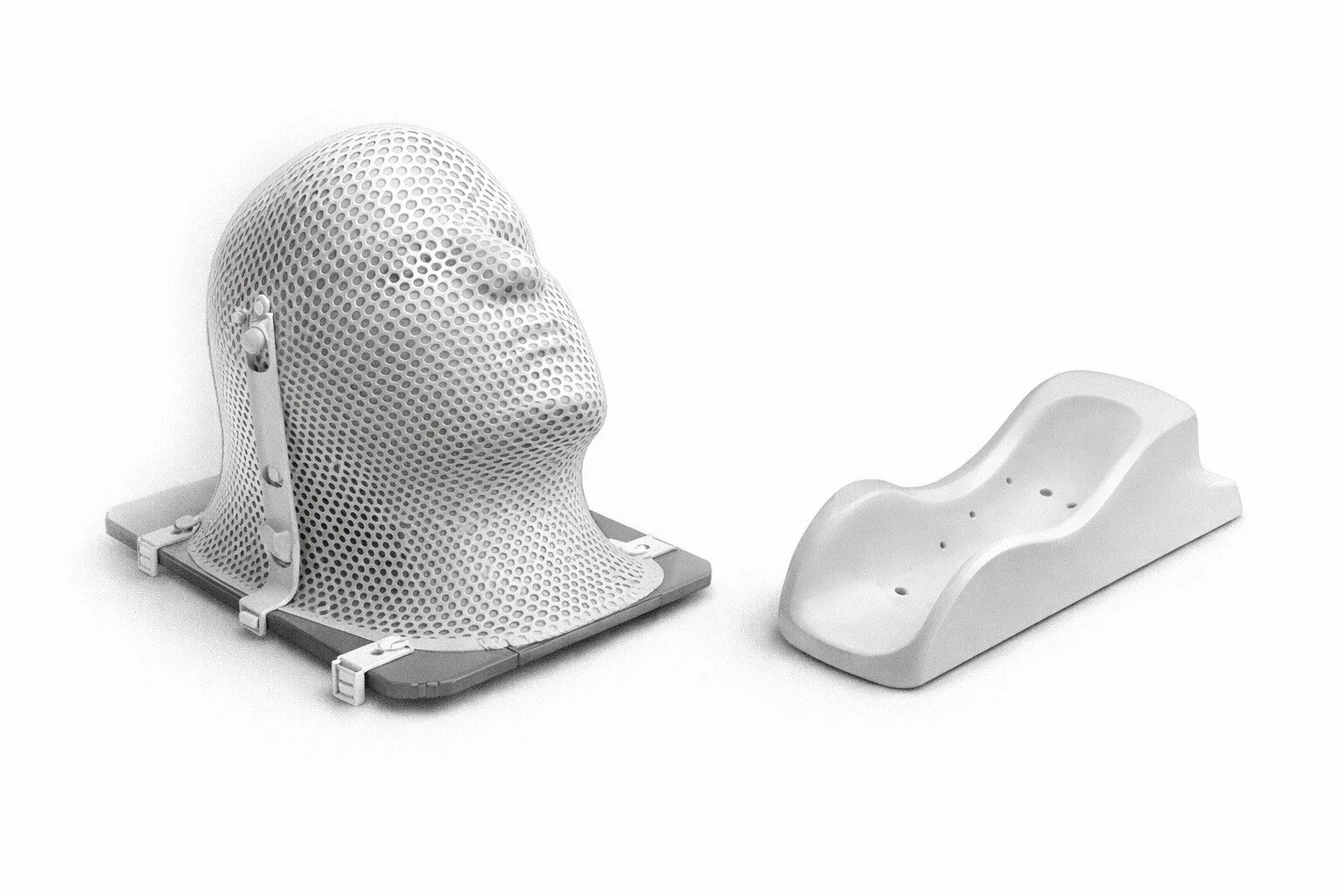
A research organization developed an accessory medical device designed to support women with large breasts during radiotherapy, improving positioning, comfort, and treatment consistency.
As an accessory to radiotherapy equipment, the device faced different risk classifications across jurisdictions, creating uncertainty around:
- Appropriate regulatory classification in Canada and the United States
- Evidence and documentation requirements tied to differing risk levels
- Aligning regulatory strategy for a device transitioning from research to clinical use
The organization required regulatory clarity to enable clinical adoption while managing limited development resources.
Solutions
We supported the organization with a targeted regulatory strategy focused on early classification and risk alignment, including:
- Regulatory classification assessment and successful filing in Canada
- Development of a clear intended use and accessory rationale to support risk classification
- Preparation and execution of a US FDA pre-submission, addressing classification differences and regulatory expectations
- Strategic guidance to align documentation across jurisdictions while accounting for differing risk levels
Results
-
Successful regulatory filing and clearance pathway established in Canada
-
Constructive FDA feedback through the US pre-submission process
-
Clear understanding of classification differences and evidence expectations between Canada and the US
-
Reduced regulatory uncertainty, enabling progression toward clinical implementation
Conclusion
This case study highlights how accessory medical devices, particularly those emerging from research environments, can face divergent regulatory treatment across jurisdictions. By addressing classification and regulatory strategy early, the organization was able to navigate differing risk frameworks efficiently—supporting timely translation from research to real-world clinical impact.